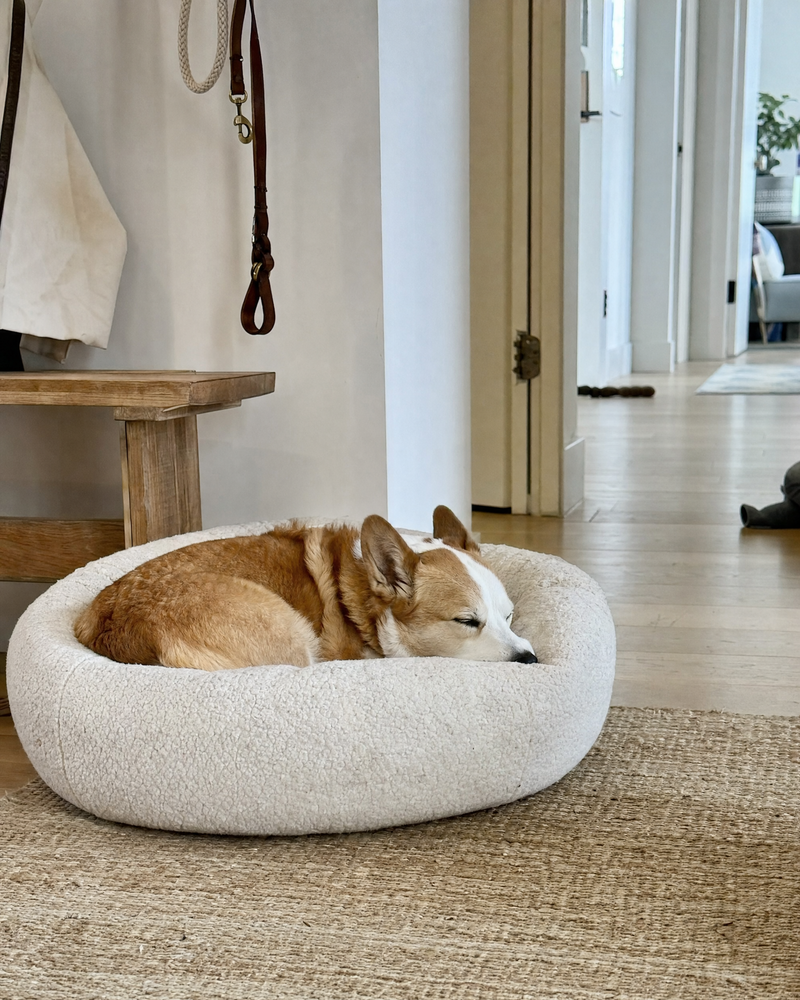
When Is a Dog Considered a Senior?
You look at your dog and wonder: is it time to call them a senior? The honest answer is that it depends. Size matters a lot, and so does the individual dog. Here is what veterinary sources say, in plain words.
The short answer
There is no single birthday. VCA Animal Hospitals explains that dogs are generally considered senior when they reach 75% of their average lifespan. Since bigger dogs tend to have shorter lives, they reach that point sooner. A Great Dane can be a senior at 5 to 6 years old, while small breeds may not be seniors until 10 to 12.
The American Kennel Club puts it a little differently: large and giant breeds may be considered seniors around 6 years old, while small breeds often do not reach senior status until 7 to 10 years of age.
Senior age by dog size
Sources do not draw the lines in exactly the same place. That is normal, because the categories are guidelines, not rules. Here are two published breakdowns side by side.
| Dog size | VCA Animal Hospitals | PetMD |
|---|---|---|
| Small | 11 to 12 years | 10 to 12 years |
| Medium | 10 years | 8 to 10 years |
| Large | 8 years | 8 to 9 years |
| Giant | Around 7 years | 6 to 7 years |
Notice the pattern. The bigger the dog, the earlier the senior years begin. VCA also points out that giant breeds age faster, so a Great Dane reaches senior status much sooner than a Pomeranian.
What if your dog is a mix?
Think about the size your dog is as an adult. If you are not sure, ask your veterinarian which category fits best. They know your dog and can tell you what to expect.
Signs your dog is slowing down
Age does not arrive overnight. The AKC lists some early changes owners often notice:
- Slowing down during walks
- Difficulty getting up
- Cloudy eyes
- Changes in weight
- Sleeping more
- Less interest in physical activity
The AKC also notes that most senior dogs need more rest than younger dogs. VCA adds that older dogs can show things like reduced muscle tone and a weight that creeps up even as calorie needs go down.
Some of these signs can look like simple aging but may have another cause. The AKC's main advice is to talk to your veterinarian whenever you notice significant physical, behavioral or cognitive changes. Do not wait and wonder.
Check-ups matter more with age
VCA recommends having a senior dog examined by a veterinarian at least twice a year, even when nothing seems wrong. Health changes can be subtle, and regular visits help your veterinarian notice them early. Your vet can also tell you whether your dog needs any change to food, exercise or routine.
Why size changes the clock
PetMD says size is the most accurate way to work out senior status. Its explanation is that larger dogs age faster because of the added stress on their bodies, including the heart. That is why a big dog and a small dog born on the same day do not reach their senior years together.
The same article adds that most dogs are treated as seniors at about 8 years old, though this varies by breed. So if your dog is around that age, it is a good moment to mention it at their next visit.
A kind way to think about it
Becoming a senior is not a diagnosis. It is a stage of life, like any other. It simply means your dog may want a slower pace, more naps and a little more attention from you. Many owners say these years are some of the sweetest.
A comfortable spot to rest
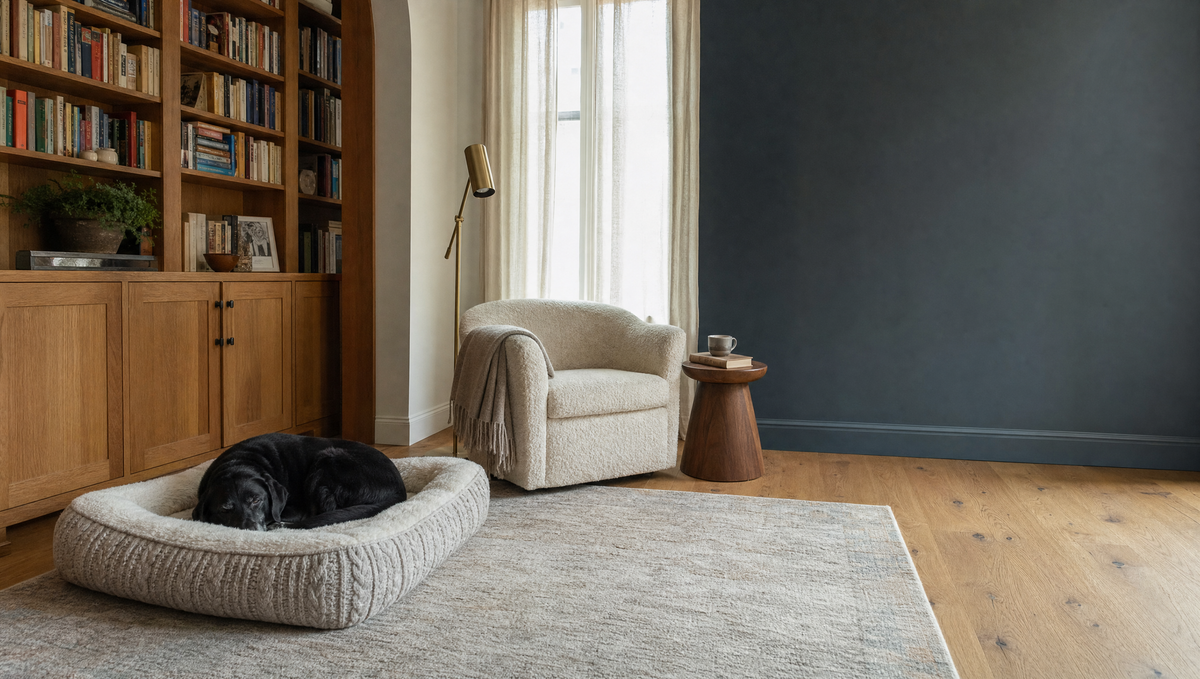
Since older dogs often sleep more, it is nice to give them a place that is easy to settle into. Many owners look for a surface that is flat and a bed with low edges, so a dog can step on and off without any fuss. Our flat beds and mats are made with that kind of easy access in mind, and our dog beds come in a range of shapes and sizes. Look for a removable cover too, because it makes washing simple.
Put the bed somewhere calm and familiar, close to the family, and away from drafts. Keep it in the same spot so your dog always knows where it is.
A few simple habits for the senior years
- Book regular check-ups and keep notes on anything new you notice.
- Keep walks regular and at a pace that suits your dog.
- Keep food, water and bed easy to reach.
- Stay patient. Your dog is the same dog you love, just a bit slower.
Quick answers
What age is a dog considered senior?
It depends on size. Using the VCA figures, small dogs are seniors at 11 to 12 years, medium dogs at 10, large dogs at 8 and giant breeds at around 7. PetMD gives slightly different ranges, so use these as guidelines.
Is a 7-year-old dog a senior?
It can be. For a giant breed, VCA places senior status at around 7 years. For a small dog, that age is usually still ahead, since the AKC says small breeds often reach it between 7 and 10 years.
How often should a senior dog see the vet?
VCA recommends at least twice a year, even if your dog seems fine.
Sources
- VCA Animal Hospitals, How Old Is Old? Comparing Dog Age to Human Age
- VCA Animal Hospitals, Senior Dog Care: Special Considerations
- American Kennel Club, Signs of Aging in Dogs
- PetMD, When Is a Dog Considered a Senior?
This article is general information and not veterinary advice. Talk to your veterinarian about your dog's age and needs.