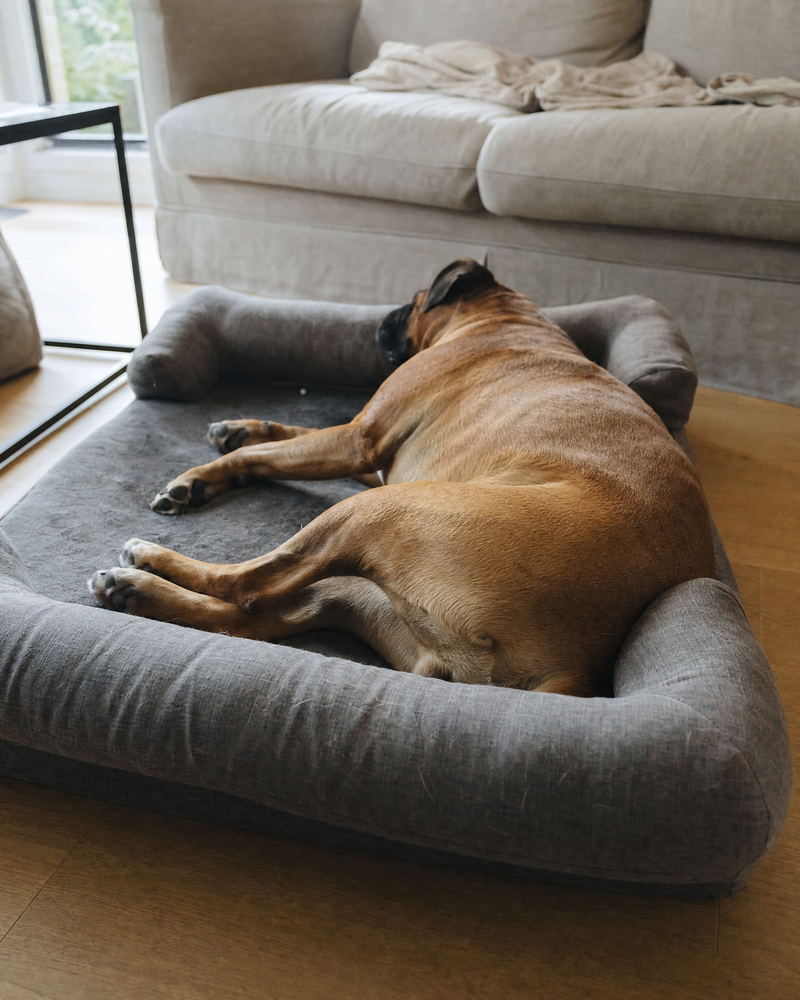
Why Does My Dog Snore? Normal Sounds and Signs to Watch
The sound comes from the foot of the bed: a soft rumble, or maybe a full saw. Is it cute, or is it a problem? Sources say some snoring is normal, and some is worth a call to your vet. Here is how to tell which is which.
What is snoring, exactly?
VCA Animal Hospitals says: "Snoring occurs due to vibrations in the upper airways, including the nose and throat." PetMD puts it as something obstructing or restricting the airflow in the nose or throat. That sounds worse than it is. VCA's own words: "Some snoring is normal in pets."
Common reasons dogs snore
- Sleeping position. VCA says position is a common reason, and "generally, this isn't a cause for concern." PetMD says that a dog lying on their back, with the tongue relaxing toward the back of the throat, could snore, and that resting the neck on an object can cause temporary snoring.
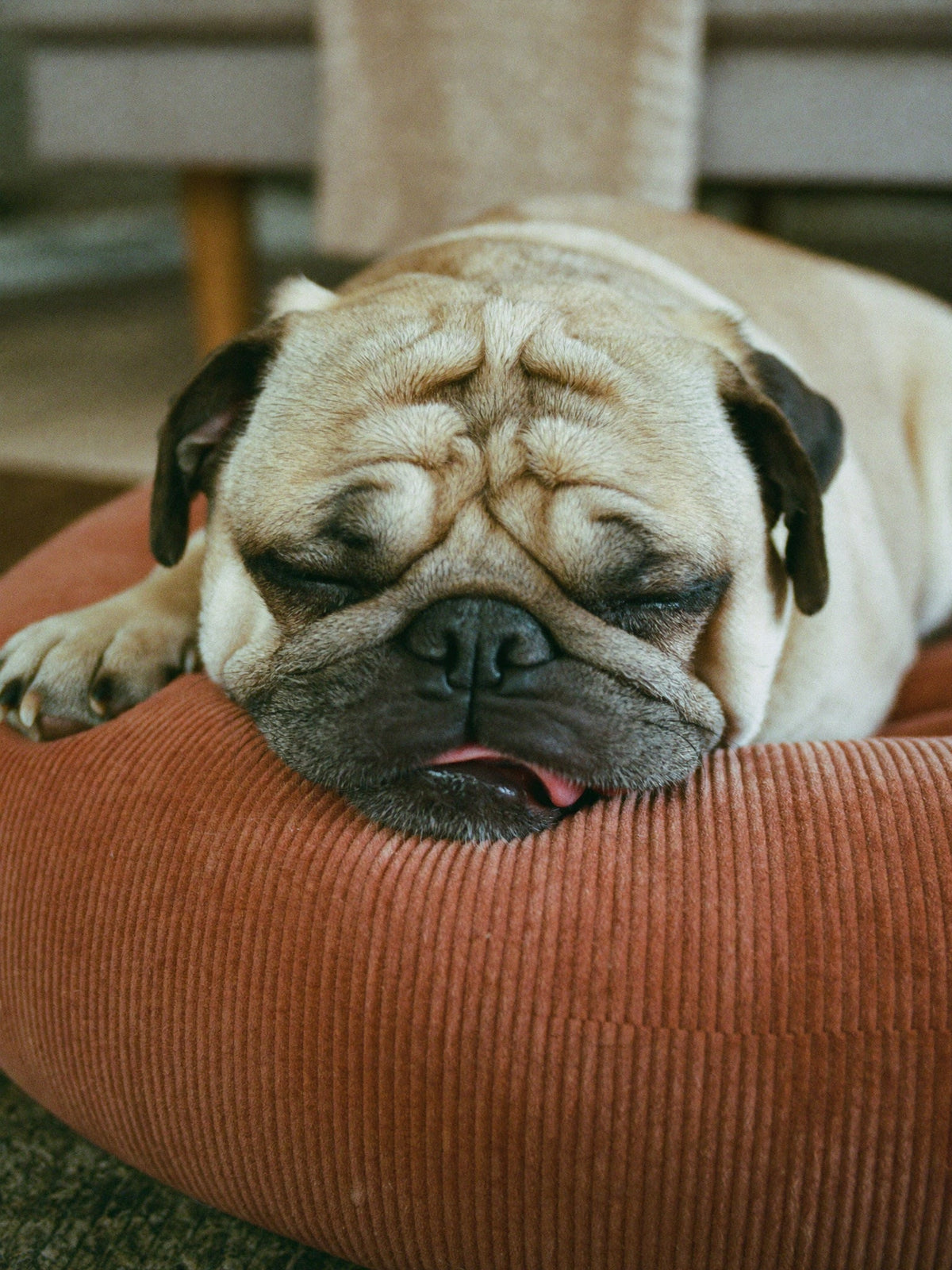
- A flat face. VCA says snoring is "more common in flat-faced, short-snouted (brachycephalic) pets, such as pugs, bulldogs or Persian cats." PetMD names French Bulldogs, English Bulldogs, Pugs, Pekingese and Boston Terriers, and says these breeds can have a long soft palate, narrow nostrils and a narrow windpipe.
- Extra weight. PetMD says extra fat deposits in the neck "put pressure on the windpipe, narrowing the opening."
- Allergies or congestion. PetMD says allergies can swell and inflame the airway tissues, and that "extra swelling restricts the dog's airflow and leads to snoring."
The flat-faced dog
For some breeds, snoring is part of a larger picture. VCA calls it brachycephalic obstructive airway syndrome, or BOAS, a set of upper airway abnormalities. In mild cases, it says, dogs have "noisy breathing, especially with exercise, and most will snort when excited and snore when relaxed or asleep." It adds that signs are often worse in hot or humid weather. If you share your home with a pug, bulldog or similar breed, talk to your vet about what is typical for your dog.
When a snore is worth a vet visit
A steady, familiar snore is usually part of who your dog is. A change is different. PetMD says the key concern is if the snoring is new, as "this suggests a change worth investigating," and also if it comes with nasal discharge, sneezing or a change in energy level. VCA recommends an appointment if your pet develops a new snore that you are regularly noticing, and lists these signs to watch for:
- discharge or bleeding from one or both nostrils,
- audible wheezing,
- new snorting noises when awake,
- exercise or heat intolerance,
- labored breathing,
- sneezing or coughing,
- a facial deformity.
Hill's Pet says that while occasional snoring is nothing to worry about, chronic snoring "could indicate a more serious problem," and a chronic snorer should visit the veterinarian to find the cause.
Snoring is not the same as sleep apnea
Snoring is a sound. Sleep apnea is when breathing briefly stops. They can overlap, so if you notice pauses in breathing, gasping or daytime tiredness, read our guide on dog sleep apnea and when to call the vet. If you also notice heavy breathing at night, see why dogs pant at night.
A comfortable spot to change position
Our sources do not say that a bed stops snoring, and we will not claim it does. What they do say is that position can matter. As a general tip, a roomy bed lets your dog shift between positions through the night, and a bed with a raised edge gives them something to rest the head on if they like it. Browse our bolster beds and all dog beds, and see what sleeping positions can mean.
Quick answers
Is it normal for a dog to snore?
VCA says some snoring is normal. Position and breed are the most common reasons.
Why does my dog snore so loudly?
Flat-faced breeds, extra weight, allergies and sleeping position can all play a part. If the loud snore is new, ask your vet.
Do cats snore too?
VCA says snoring is more common in flat-faced pets, and names Persian cats alongside pugs and bulldogs.
Sources
- PetMD, What Causes Snoring in Dogs and How to Help Your Pup: https://www.petmd.com/dog/general-health/snoring-in-dogs
- VCA Animal Hospitals, Is snoring normal in pets?: https://vcahospitals.com/resources/behavior-dog/is-snoring-normal-in-pets
- VCA Animal Hospitals, Brachycephalic Airway Syndrome in Dogs: https://vcahospitals.com/know-your-pet/brachycephalic-airway-syndrome-in-dogs
- Hill's Pet, Reasons for Your Dog's Odd Sleep Behaviors: https://www.hillspet.com/dog-care/behavior-appearance/odd-dog-sleeping-behaviors
This article is general information and not veterinary or behavior advice. If your pet's habits change suddenly, talk to your veterinarian.