Do Dogs Dream? What Twitching and Whimpering in Sleep Mean
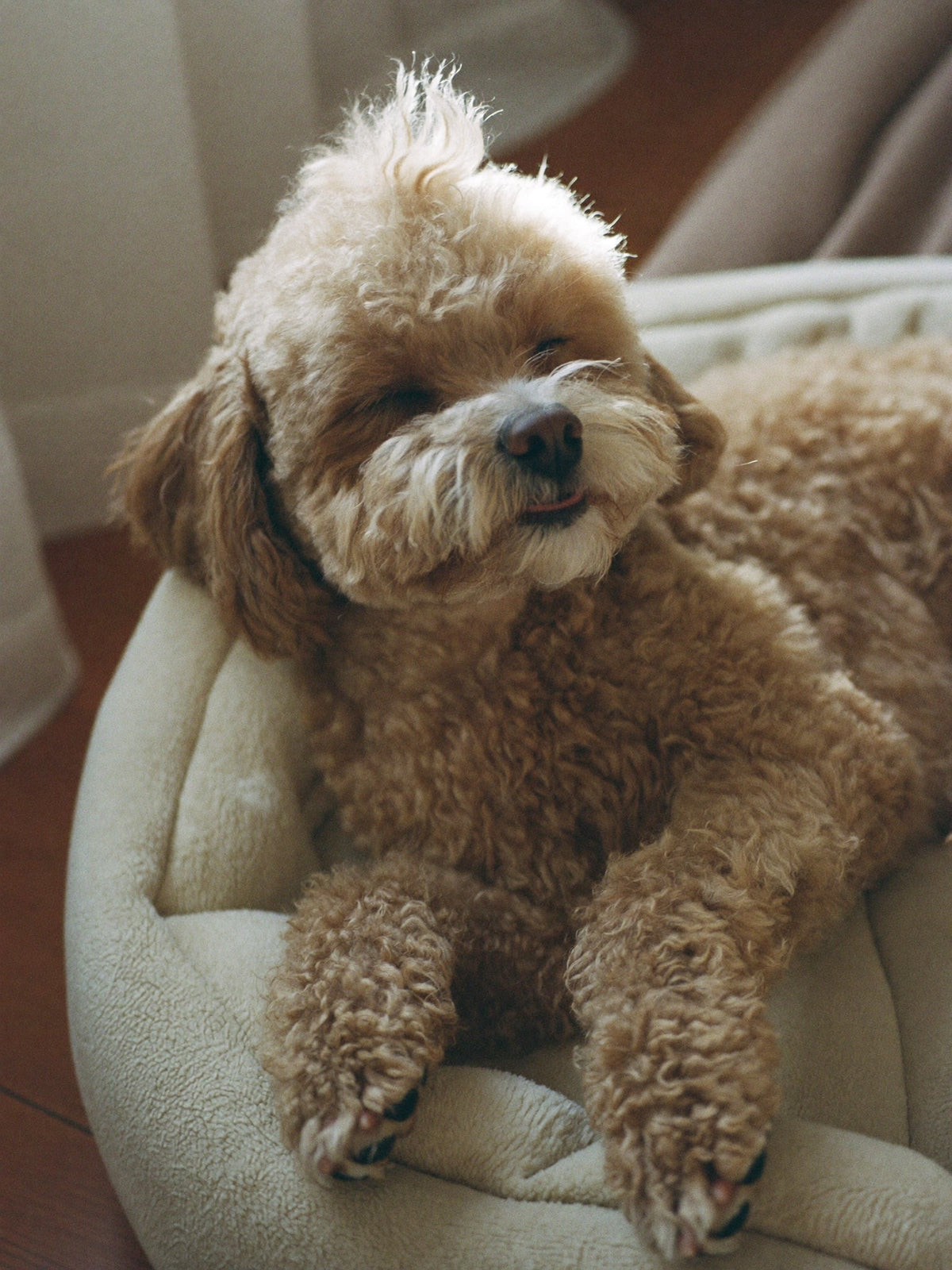
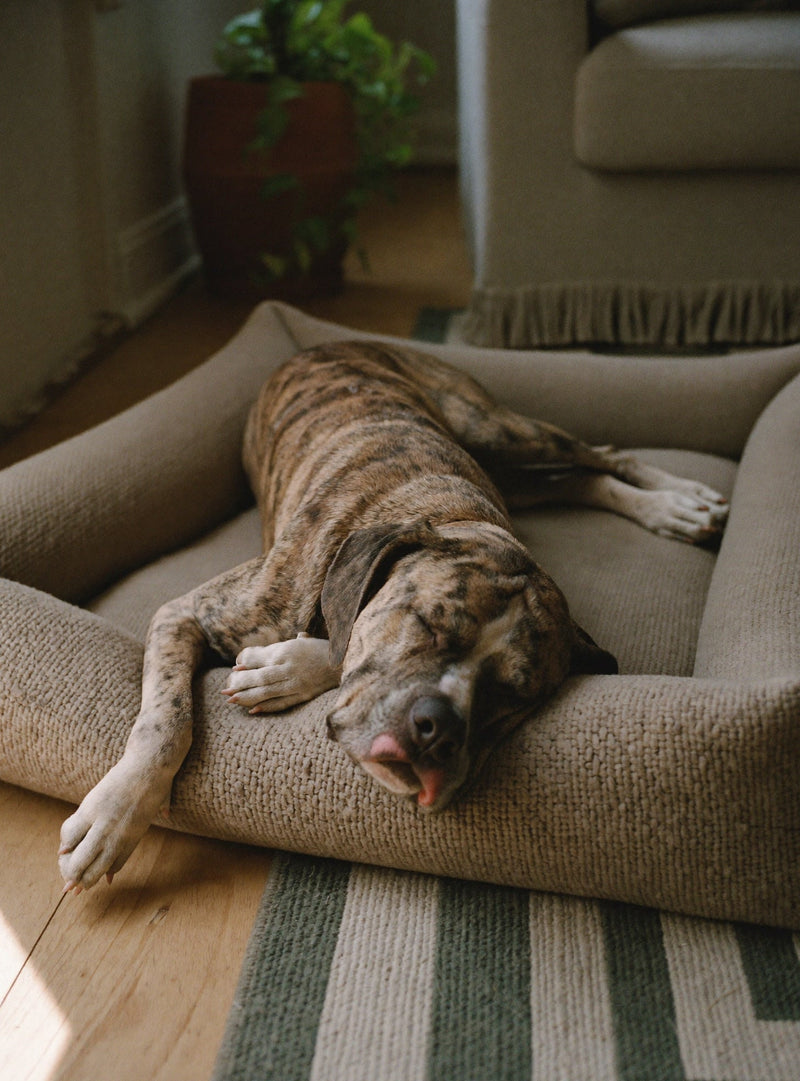
Your dog is fast asleep, paws running, a tiny woof escaping from somewhere. It looks like a chase through a field. So, do dogs dream? Sources say very likely yes. Here is what they tell us about the twitching, and how to tell a dream from something that deserves a closer look.
So, do dogs dream?
The AKC says: "Scientists think so." It adds that scientists believe dogs "not only dream as we do, but also that they dream similarly to us." The reason is REM sleep, which the AKC describes as the sleep cycle in which humans experience dreams. VCA Animal Hospitals puts it this way: pets also experience REM sleep, "meaning it's likely our pets dream just as we do."
Nobody can see inside a dog's head, so "likely" is the honest word. But the sleep stage is the same one where we dream.
What do dogs dream about?
VCA says scientists and psychologists believe that dogs "dream about their everyday adventures, replaying things like play sessions, walks or favorite games." The AKC gives an example: a Pointer in a dream may start searching for game. In other words, the likely guess is the same things your dog does while awake.
Why the twitching and the little barks?
PetMD explains what is going on in the body. During REM, a dog's eyes move around behind the closed eyelids, and "the large body muscles are turned off so the dream is not physically acted out." Small twitches, paddling paws and soft barks are what slips through. The AKC says dogs "often bark or twitch their legs during REM sleep."
When do the dreams start?
Sources give similar timing. The AKC says to watch from about 10 to 20 minutes after your dog falls asleep, and that if you can see the eyes moving behind the eyelids, the dream has begun. VCA says twitching in an average-sized dog may begin about 20 minutes after falling asleep.
PetMD gives a more detailed picture by size: an average dog dreams about every 20 minutes, with dreams lasting about a minute. Larger breeds dream less often but longer, about every 45 minutes for 4 minutes. Smaller breeds dream about every 10 minutes for up to 30 seconds.
Why do puppies and seniors twitch more?
VCA says: "Puppies and senior dogs tend to twitch more than middle-aged dogs." The AKC says the same about dreaming more often. PetMD offers a reason: the part of the brain that holds the muscles still during REM, called the pons, "may still be developing" in younger dogs and "may be weakening from age" in older ones. If you share your home with a puppy or an older dog, expect plenty of twitchy naps. You can read more in how much puppies sleep.
Nightmares, and should you wake your dog?
PetMD says dogs can have nightmares too. Twitching and soft noises are "perfectly normal," good dream or bad. The advice from the sources is to let them be:
- The AKC says to "let sleeping dogs lie," because waking a dog from REM can startle it and may lead to an unintended bite.
- PetMD says it is often advised not to wake a twitching dog unless they are clearly in distress. If you need to, PetMD suggests gently calling their name.
- For a night terror, with thrashing limbs, growling or biting, PetMD says not to try to wake them, as you could get hurt.
Dream, or something else?
Most twitching is a dream. But sources point to a few differences worth knowing. VCA says: "Dreaming movements are usually brief and relaxed, whereas seizure movements tend to be more rigid and intense." It adds that if the movements are stiff, last a long time, or come with drooling, confusion or incontinence, they could point to something more serious, such as a seizure.
PetMD lists these signs of a seizure: stiffening of the body, labored breathing, eyes wide open but not reacting, loss of consciousness with no response to your voice, loss of control of urine and bowel movements, and foaming at the mouth. If you ever feel unsure, call your veterinarian. PetMD also says that if your dog often seems distressed when asleep, or if behavior changes while awake, consult your vet to rule out medical conditions.
A comfortable place for good dreams
Our sources do not say that any bed changes how dogs dream. What they do say is that sleep goes better for a dog who feels safe. A bed in a quiet corner, with enough room to stretch and a cover you can wash, is a simple start. You can browse our dog beds, and read why some dogs sleep with their eyes open or what sleeping positions can mean.
Quick answers
Do dogs dream like people?
Scientists think they dream similarly to us. Both sleep in REM cycles, which is when dreams happen.
Why does my dog twitch in their sleep?
Most often it is a dream. The body is mostly held still in REM, and small movements get through.
Is it a seizure or a dream?
A dream is usually brief and relaxed. A seizure is more rigid and intense, and may come with drooling, confusion or loss of bladder control. If you are unsure, ask your vet.
Sources
- American Kennel Club, Do Dogs Dream?: https://www.akc.org/expert-advice/lifestyle/do-dogs-dream/
- VCA Animal Hospitals, What Does It Mean When Dogs Twitch In Their Sleep?: https://vcahospitals.com/resources/behavior-dog/true-or-false-twitching-feet-while-sleeping-is-a-dream
- PetMD, Why Do Dogs Twitch in Their Sleep?: https://www.petmd.com/dog/general-health/why-do-dogs-twitch-their-sleep
- PetMD, Do Dogs Have Nightmares?: https://www.petmd.com/dog/general-health/do-dogs-have-nightmares
This article is general information and not veterinary or behavior advice. If your pet's habits change suddenly, talk to your veterinarian.